Football Card Collecting Terms Every Beginner Should Know
If you are new to collecting football cards, the language can feel like a barrier. Terms like “numbered card” and “insert card” get thrown around in online breaks, on social media, and in forums. Understanding a handful of key phrases will help you shop smarter, trade with confidence, and know what you are actually holding. This article explains the most useful football card collecting terms for anyone who wants to chase rare football cards without getting lost in the jargon.
Base Cards and Rookie Cards
The simplest place to start is the base card. Every set releases a core checklist of standard cards featuring players in their team colours. Base cards form the bulk of any collection and are usually the easiest to find. Their value tends to be lower than other types, but they are essential for completing a full set. Some base cards from older sets, especially those featuring well-known players, can still hold decent value if they are in top condition.
A rookie card is a different matter. This is the first officially licensed card of a player after they turn professional. For many collectors, rookie cards are the holy grail. A player’s rookie card often appreciates in value more than any other card they appear on, especially if the player goes on to have a great career. When you hear someone talking about “pulling a rookie,” they mean they have found that player’s first card from their debut season. Rookie cards are among the most sought-after rare football cards in the hobby.
Insert Cards, Autographs and Relic Cards
Beyond the base set, manufacturers add insert cards. These are special cards that do not appear in the main checklist. They might feature action shots, unique designs, or limited themes. Inserts are produced in smaller quantities, so they are rarer than base cards. Some inserts are numbered, meaning each card carries a printed number showing its place in a limited print run. A numbered card that is, say, 1 out of 50 or 99 out of 250 instantly tells you how scarce it is. The lower the print run, the harder it is to find.
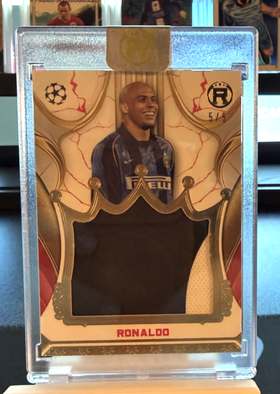
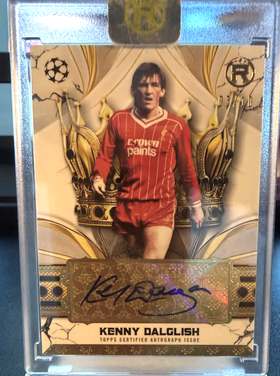
Autograph cards, often called autos, are cards that include a player’s signature. These can be hand-signed by the player or printed as a replica signature, but the most desirable ones are genuine. Autograph cards are usually inserted randomly into packs, making them a real thrill to pull. They are among the most valuable rare football cards because they combine the player’s image with their personal mark.
Relic cards take things further. A relic card contains a small piece of something the player used or wore, such as a piece of match-worn shirt or a fragment of a boot. These are extremely limited and carry a premium price. For collectors who want a physical connection to the game, relic cards are the pinnacle. They are also a good example of why checking the back of the card for details is important: the relic description tells you exactly what the piece is from.
Storage and Protection
Once you start building a collection, you need to keep your cards safe. A card sleeve is a simple plastic pocket that slides over a single card. It protects the surface from scratches, dust and fingerprints. Most collectors put valuable cards into a sleeve and then into a harder toploader for extra protection. For bulk storage, a storage box is the standard solution. These boxes hold hundreds of cards in rows, keeping them upright and organised. A good storage box is made of acid-free materials to prevent yellowing over time.
If you plan to trade or sell cards, condition matters more than almost anything else. A card that has been kept in a sleeve since it was pulled will look better and sell for more than one that has been handled without protection. Even a tiny crease or a rounded corner can knock a lot off the value. So learning how to handle and store cards is as important as knowing the terms.

How Repacks Fit In
You may come across something called football card repacks. These are sealed packs or boxes that contain a mix of cards from different sets, often put together by a seller or a platform. The idea is simple: you buy a repack and open it to see what is inside. Some repacks are themed, such as all rookie cards or all inserts, while others are a random assortment. The appeal is the surprise and the chance to find something valuable without paying the full price for a sealed box of a specific product. Just remember that repacks are a lottery: you might pull a rare card, or you might get mostly base cards. It is a fun way to grow your collection if you enjoy the thrill of the unknown.
When you buy football card repacks from a trusted source, you are taking a calculated gamble. The best approach is to treat them as entertainment. If you pull something great, that is a bonus. If not, you have still added some cards to your collection and had a good time doing it. Many collectors use repacks to fill gaps in their sets or to get a taste of products they would not normally buy.
What It All Means for You
Knowing these terms changes how you approach the hobby. When you see a listing for a numbered card, you understand why the number matters. When someone talks about a rookie card, you know to check the year and the player. And when you come across a relic card or an autograph, you appreciate how rare they really are. The same knowledge helps you avoid overpaying. A base card from a recent set is not going to be worth much, no matter how flashy the design. But a low-numbered insert of a top player is a genuine find.
Building a collection is a personal journey. Some people chase complete sets. Others focus on one player or team. Many enjoy the hunt for rare football cards that tell a story. The terms above give you a foundation to start that hunt with confidence. The hobby is full of passionate people who are happy to share tips and trades. As long as you understand the basics, you can join those conversations without feeling lost.
The second time you see the phrase football card repacks in this article is right here: some collectors discover rare cards through repacks that they would never have found otherwise. That is part of the fun. You never know what might turn up when you open a pack. Whether you are after a specific rookie card, a relic piece, or just the joy of opening packs, the language of collecting is your guide. Learn it, use it, and enjoy the hunt.